William Morris III

William Morris III is an analogue digital artist who has exhibited multiple times and awarded a scholarship with the Hite Art Institute in Louisville, Kentucky. He describes his work as “visuals inspired by the Y2K era. This also is a play on the appearance of capitalism, advertising in the late 90s to early 2000s features, a soft blue tint with blurry imagery”.

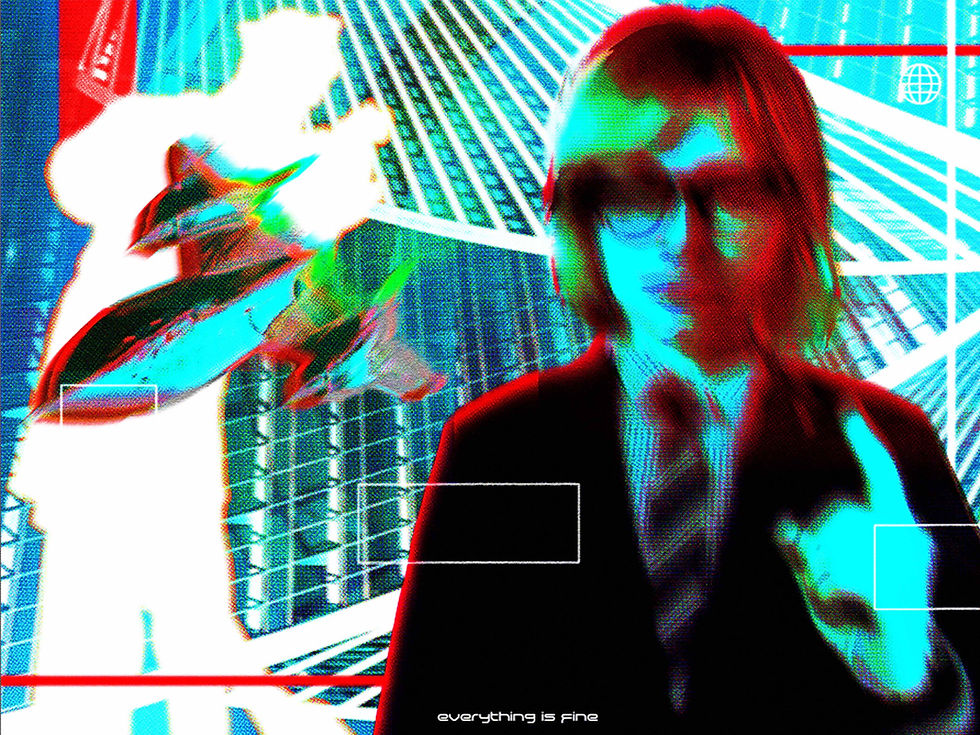
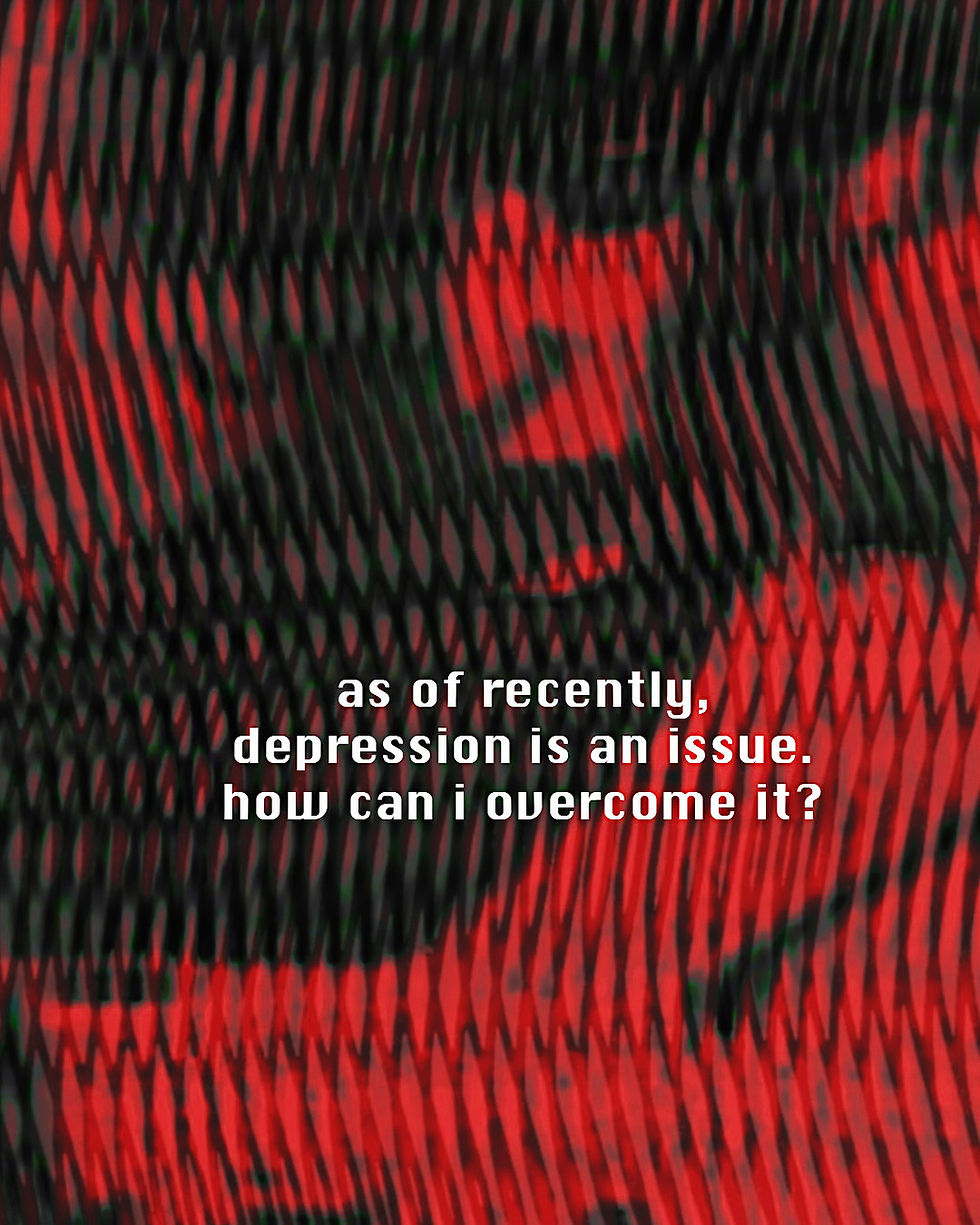
Using Photoshop and non-copyright, non-AI stock imagery for the basis of his compositions, William Morris III creates digital collages which are transformed into holistic works of art. He will often take portraits and outlay an intense shadow over features, creating a similar effect to a silkscreen print. However, these conjurations are also followed by blurred results, vivid color distortions, and often with the use of texts. The incorporation of texts within William Morris’ work is significant because he directs a conceptual composure towards nihilistic tendencies and reactionary impulse towards digital realms. His works are a criticism of the digital era and age of digitized automation. In the texts and related dystopian imagery, we will find a post-apocalyptic world rife with despair and isolation from the disconnect experiences through digitized worlds.

Isolation and social instability are recurring themes within William Morris’ digital works. He conjures a plane based on a state of social collapse and angular distortion. As he pulls and pinches his compositions with grains of pixels and lens-based contortions, we are introduced to characters and compositions which reveal a narrative based on the human impact of technology on the human psyche. These analogue works have a similar appearance to various printmaking methods as a whole due to his meticulous approach and process. Embracing dystopia and nihilistic realms, these works have an ambitious layout and appeal akin to Cyberpunk aesthetics, often with the use of red, black, and white as William’s color composure.

Infinite Memories, Infinite Pain (pictured above) is one of William Morris’ most abstracted figurative pieces. The work entails a portrait being shown at multiple angles and in a manner which seems as if the figure is being illuminated by intense digital light flares or as if fireworks had sparked to the features of the face. Followed by an ocean of red wash and ominous gateway or portal with a cassette, there seems to be a time-lapse within the conceptual approach, as if we entered a plane of consciousness distorted by over-stimulation.

These dramatic analogue digital works by William Morris III present a case study on how to advance the digitized arts through processes outside of automation and AI slop. His controlled, meticulous methodology and conceptual intent reveals a realm ripe with nihilistic cynicism towards the future of humanity. With texts such as “it’s been five days…type back” and “a face without a face” reveals a philosopher poet who uses the written word to have meaningful impact on the visual arts. His textual references and vivid distortions are a criticism of the one-dimensional platitudes which comes from digitized experiences, such as social media. The great disconnect from one another due to digitized cognition and over-stimulation is one his main conceptual conveyances, based on criticisms of desensitization and a yearning to escape digital tyranny.